
Predicting Patient Outcomes: Why Accuracy is a Dangerous Metric
The Model That Was “99% Accurate”
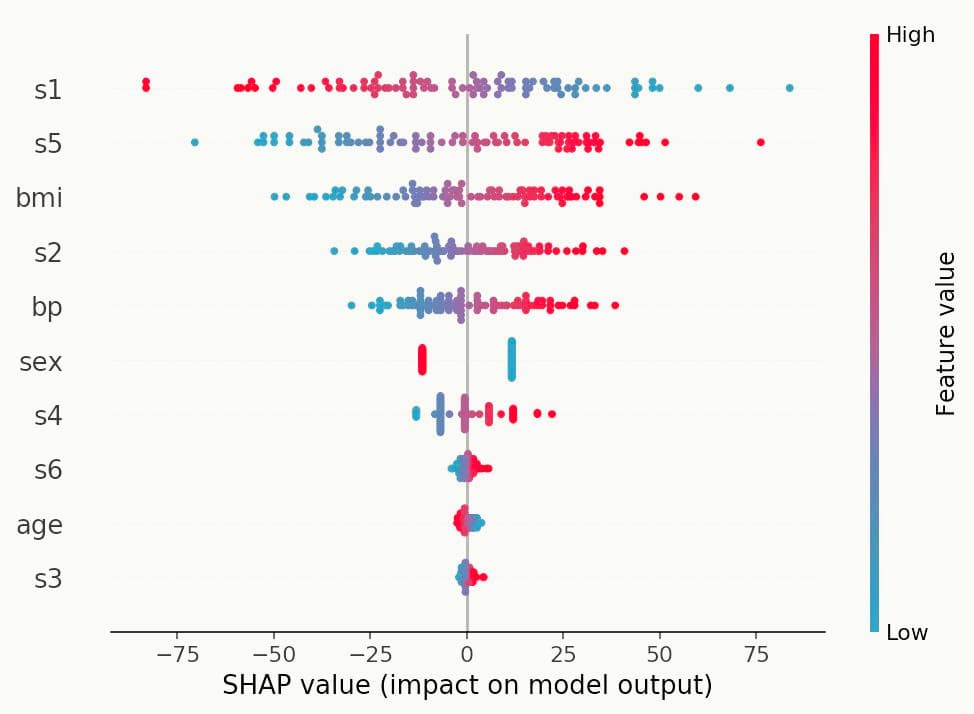
A hospital deployed a model predicting mortality risk.
Accuracy: 99%
Reality: It failed.
Why?
Because:
99% of patients didn’t die
The model predicted “No risk” for everyone
Technically correct. Clinically useless.
The Accuracy Trap
In imbalanced clinical datasets:
Accuracy ≈ Noise
Precision/Recall ≈ Reality
The Real Objective
Clinical models must optimize:
Sensitivity (Recall) → Catch critical cases
Specificity → Avoid false alarms
Interpretability → Enable trust
The Interpretability Layer
Black-box models fail in healthcare.
Why?
Because a doctor will ask:
“Why is this patient high risk?”
Tools:
SHAP values
LIME explanations
Feature importance
| Model | Accuracy | Interpretability |
| ------------------- | --------- | ---------------- |
| Logistic Regression | Medium | High |
| Random Forest | High | Medium |
| Deep Learning | Very High | Low |
In healthcare:
The best model is the one that gets used.
A Better Framework
Instead of asking:
“What’s the most accurate model?”
Ask:
“What’s the most trustworthy deployable model?”
Where Aspirants Go Wrong
They optimize:
Accuracy
AUC
They ignore:
Explainability
Clinical usability
How Matricstek Prepares You Differently
We push candidates to:
Defend their models
Explain predictions
Handle stakeholder pushback
Check out our programs like:
Zero-to-Offer (https://matricstek.co/zero-to-offer/)
Interview Access Program (https://matricstek.co/interview-access-program/)
Because in real interviews:
You won’t be asked “What is Random Forest?”
You’ll be asked “Why should we trust your model?”