
From Raw Clinical Chaos to Actionable Insights: A Data Mining Playbook for Healthcare
The Night Everything Broke
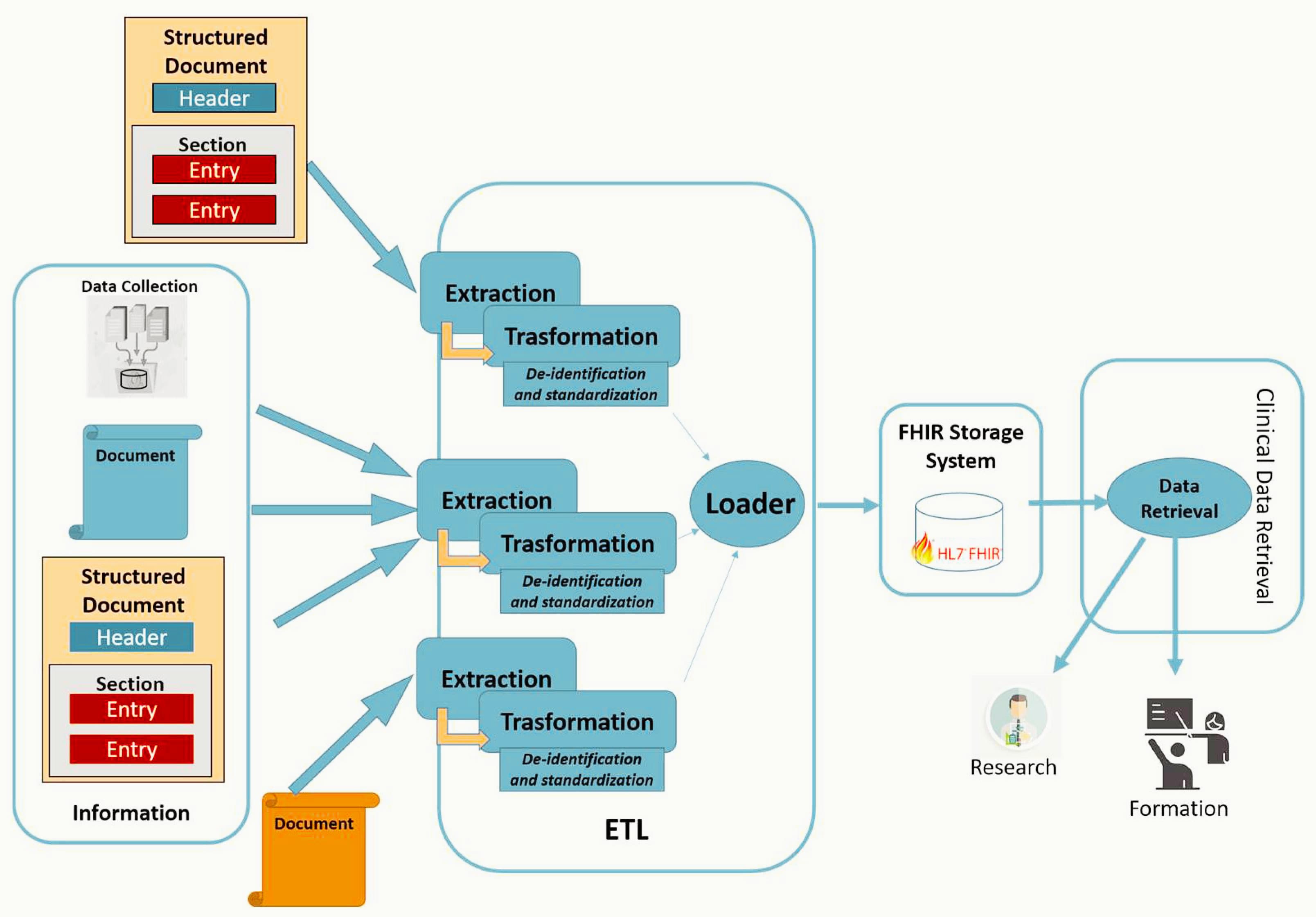
At 2:13 AM, a data pipeline failed.
Not because of infrastructure.
Not because of scale.
But because “BP” meant two different things in two different tables.
In one: Blood Pressure
In another: Biopsy Procedure
Welcome to clinical data.
The Reality of Clinical Data (That No Course Teaches)
Clinical datasets are not Kaggle-ready CSVs. They are:
Fragmented across EHRs, lab systems, claims databases
Filled with missing values that are not random
Full of semantic inconsistencies
Updated with schema drift over time
This is where data mining begins—not with models, but with survival.
Step 1: Data Understanding ≠ Column Inspection
In clinical data, understanding data means:
Identifying data provenance (who captured it, when, why)
Mapping clinical codes (ICD, SNOMED, LOINC)
Detecting systematic missingness
Example:
Missing blood sugar values may indicate health, not absence.
This is where naïve imputation destroys truth.
Step 2: Data Integration (The Silent Killer)
You are not joining tables.
You are reconciling realities.
Challenges:
Patient IDs differ across systems
Time granularity mismatch (seconds vs days)
Event duplication
Techniques:
Probabilistic record linkage
Temporal alignment windows
Master Patient Index (MPI)
Step 3: Data Cleaning with Clinical Context
Standard techniques fail here.
Instead of:
Mean imputation → Use clinical thresholds
Outlier removal → Validate against physiological plausibility
Example:
A heart rate of 220:
Outlier in general dataset
Valid in ICU emergency context
Step 4: Data Mining Begins (Finally)
Now we apply:
Association Rule Mining → Comorbidity patterns
Clustering → Patient segmentation
Sequential Pattern Mining → Disease progression
The Real Insight
In healthcare:
Data mining is not about extracting patterns.
It’s about preserving truth while extracting patterns.
Where Most Aspirants Struggle
They learn:
Pandas
SQL
ML models
But they don’t learn:
Data ambiguity handling
Domain-informed preprocessing
Messy real-world pipelines
How Matricstek Bridges This Gap
At Matricstek, we don’t train on perfect datasets.
We simulate:
Broken schemas
Inconsistent joins
Real-world ambiguity
Check out our programs like:
Zero-to-Offer (https://matricstek.co/zero-to-offer/)
Interview Access Program (https://matricstek.co/interview-access-program/)
We train you to think like:
A data professional who survives chaos—not just solves clean problems.
Because the US job market doesn’t reward syntax.
It rewards judgment under uncertainty.